Illicit Opioid Supply
Illicitly Manufactured Fentanyl (IMF)
Fentanyl is a synthetic opioid typically used to treat patients with chronic severe pain or severe pain following surgery. Fentanyl is a Schedule II controlled substance that is similar to morphine, but about 100 times more potent.
Counterfeit prescription opioid pills have been found in all 50 states and are widely available in the US, often containing illicitly manufactured fentanyl in lethal amounts. Just 2 milligrams of fentanyl, the small amount that fits on the tip of a pencil, is considered a potentially deadly dose. Individuals unaccustomed to using opioids can experience severe adverse events at even lower doses.

Image: 2 mg of fentanyl, a potentially lethal dose, on a pencil tip.
Seizures
Law enforcement seizures of pills containing illicit fentanyl greatly increased since 2017 (NIH). The number of pills containing illicit fentanyl increased by 3,224% from 290,304 in 2018 to 9,649,551 in 2021 (Figure 1).
The amount of illicit fentanyl-containing powder seized by law enforcement had also increased during the same period of time. In 2018, 298.2 kg of powder containing fentanyl were seized, increasing to 2,416 kg seized in 2021.
Profile of Seized Fentanyl
Chemical analyses of fentanyl and fentanyl-related samples obtained from seizures (n=1,233) made throughout the United States (US) in 2021 showed that most contained only fentanyl (n=1,013, 82%), some contained both fentanyl and fentanyl-related compound(s) (n=192, 16%), and a small number contained only fentanyl-related compound(s) (n=28, 2%) (DEA FPP).
Fentanyl Tablets
Tablets containing fentanyl from US seizures has been increasing within the past five years, with an average 1.3 mg of fentanyl identified per table in 2017 to 2.2 mg in 2021 (Figure 2).
The percent of tablets tested containing at least 2 mg (lethal dose) has also increased in recent years, from 10% in 2017 to 44% in 2021 (Figure 3). In California, tablets sampled were shown to have a higher average dose of 2.4 mg per tablet, ranging from 0.01 to 6.1 mg per tablet in 2021 (DEA FPP).
In 2022, the Drug Enforcement Agency Laboratory found that 6 in 10 fentanyl-laced counterfeit prescription pills contained a potentially lethal dose of fentanyl.
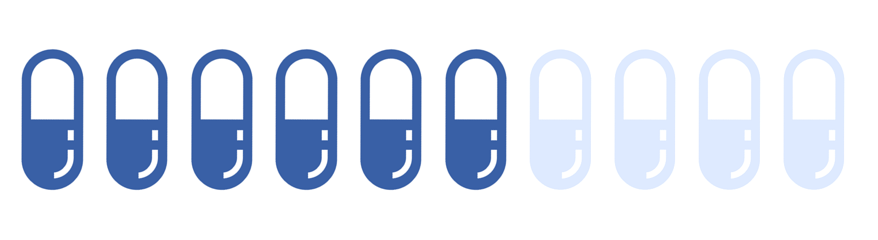
Image: 6 in 10 counterfeit pills contains a lethal dose.
Fentanyl Powder and Tar
The average purity of fentanyl found in powders seized has gradually increased in recent years. In 2021, sampled powders from seizures throughout the US contained an average fentanyl purity level of 14.4%, ranging from 0.1% to 75.6% (Figure 4). In California, the average fentanyl purity level was higher at 16.6%, ranging from 0.1% to 42.5% (DEA FPP).
Tar seized across the US in 2021 had an average fentanyl purity of 7.2%, ranging from 0.9% to 9.8% (DEA FPP).
References
Figure 1. National Institute of Health. Law enforcement seizures of pills containing fentanyl increased dramatically between 2018-2021. https://www.nih.gov/news-events/news-releases/law-enforcement-seizures-pills-containing-fentanyl-increased-dramatically-between-2018-2021.
United States Drug Enforcement Administration (DEA). DEA Laboratory Testing Reveals that 6 out of 10 Fentanyl-Laced Fake Prescription Pills Now Contain a Potentially Lethal Dose of Fentanyl. https://www.dea.gov/alert/dea-laboratory-testing-reveals-6-out-10-fentanyl-laced-fake-prescription-pills-now-contain.
Figures 2-4. United States Drug Enforcement Administration Fentanyl Special Testing and Research Laboratory Fentanyl Profiling Program (DEA FPP). DEA Fentanyl Profiling Program Report, CY2021. https://www.dea.gov/sites/default/files/2022-08/FPP%20Report%20CY%202021_DEA.gov_.pdf.